
Seed Dreaming

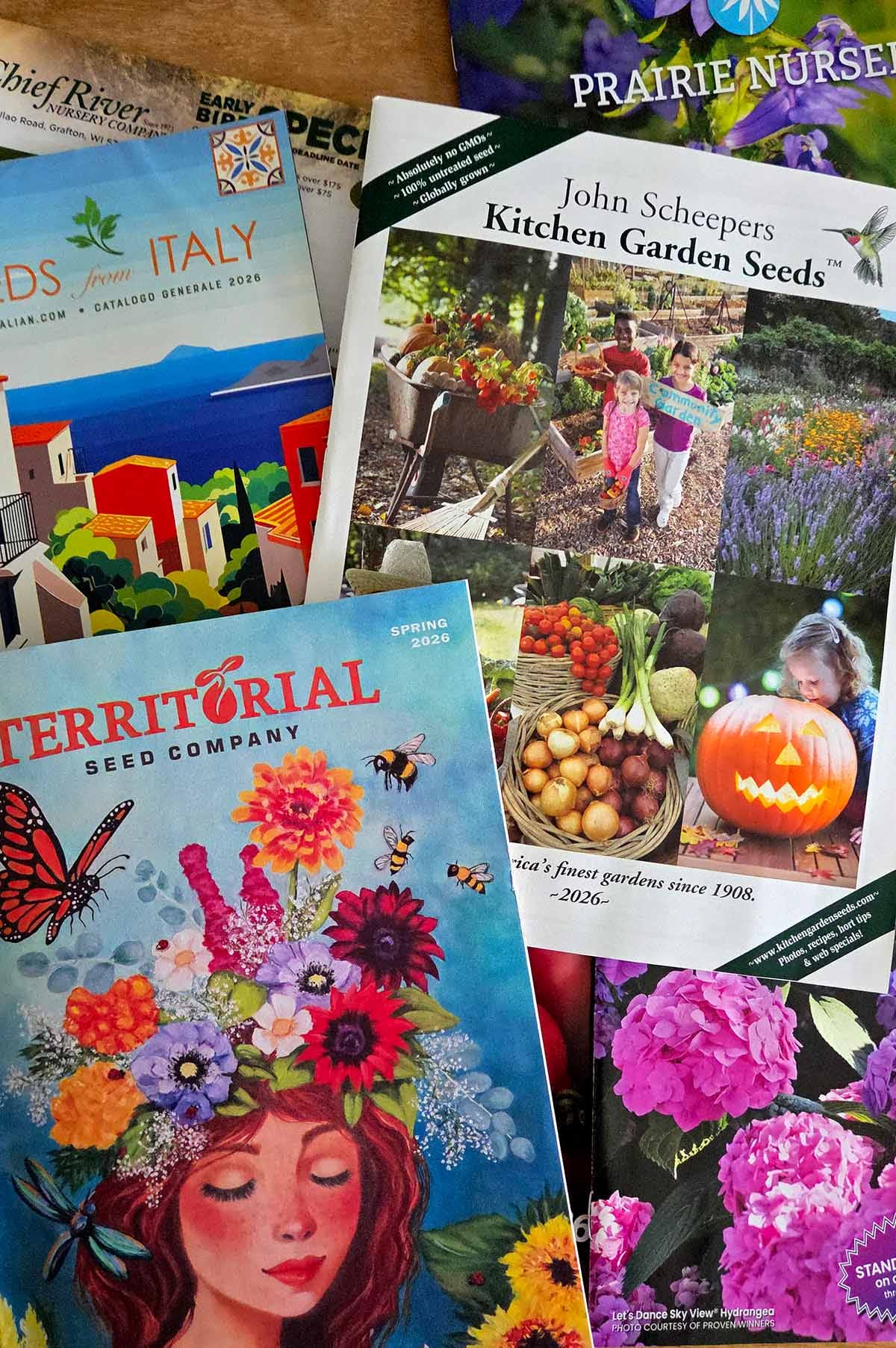
For the past couple weeks, whenever I sit down at my dining room table to wolf down a bowl of this or that solo, I eat while paging through seed catalogs. This is the time for seed dreaming.
My world here in Minnesota is snowbound, and in a way, that’s a great thing. Snow brings moisture and moderates soil temperature, so my little green world will restart in spring with less winter kill and more water in the soil.
It all seems so far away, and in a way it is. But the days are lengthening, the light returning.
These are the days where we fantasize about dirty fingernails, the smell of the earth, the taste of “green” as we devour the first growth the new year brings — nettles, chives, and sochan here. Already the sound of birds has changed. Robins have begun to sing, and the muttering of mallard pairs flying overhead at dusk tells me that nesting isn’t so far off anymore.
The year 2026 will be my second full year of Minnesota gardening, but I’ve been here since late 2023, and even then I knew I’m not going anywhere anytime soon. So I planted things I knew take years to fully enjoy: currant, lingonberry, and blueberry bushes; monarda; an odd variety of perennial, frost-hardy bean; rose bushes that give me great big hips; and of course rhubarb.
Rhubarb is symbolic here, at least to me. It links me to the culture of the Upper Midwest, and teaches me about patience, timing, and working with what you have. No culture uses rhubarb more than here, and I have developed a few really fun recipes for it, including rhubarb muffins, a rhubarb syrup I add to my gin and tonics, and my favorite, a savory dish of rhubarb and venison — one of my favorite things to eat, and not just in springtime.
This year I may add asparagus, another plant that requires patience — years, even, before it’s ready to give back to you once it starts to feel more itself. Typically, asparagus needs two or sometimes three years to come into its own. But once established, you will have a relationship with your patch for decades to come. My variety of choice? Jersey Knight, of course, for obvious reasons.
But patience alone isn’t enough. Those years matter because of what you do during them: cutting back at the right time, weeding even when it feels tedious, resisting the urge to harvest too early. Gardens only thrive if they are tended.
My pocket prairie also needs tending. It blossomed beautifully last season, but there were large swathes of lambsquarters and black nightshade I’ll need to thin. I love both these plants, but it was too much. I’ll fill the bare patches with more prairie wildflowers and herbs, like leadplant. Interspersed among the wildlings are several angelica plants, cold-hardy mint and thyme patches, anise hyssop and mountain mint — my tea garden.
The raised beds sleep under a foot of accumulated snow, but underneath are the roots and seeds of many herbs, as well as a patch of savoy cabbages that may just be edible if the snow recedes. There’s a German stew I dearly love that uses them, sauerkraut, potatoes, and a smoked ham hock.
But there’s plenty of room for the new, and that’s where the seed dreaming comes in.
The multitude of seed catalogs that have arrived on my doorstep are all dog-eared with circles scribbled on them, notes to myself about plants and varieties that excite me.
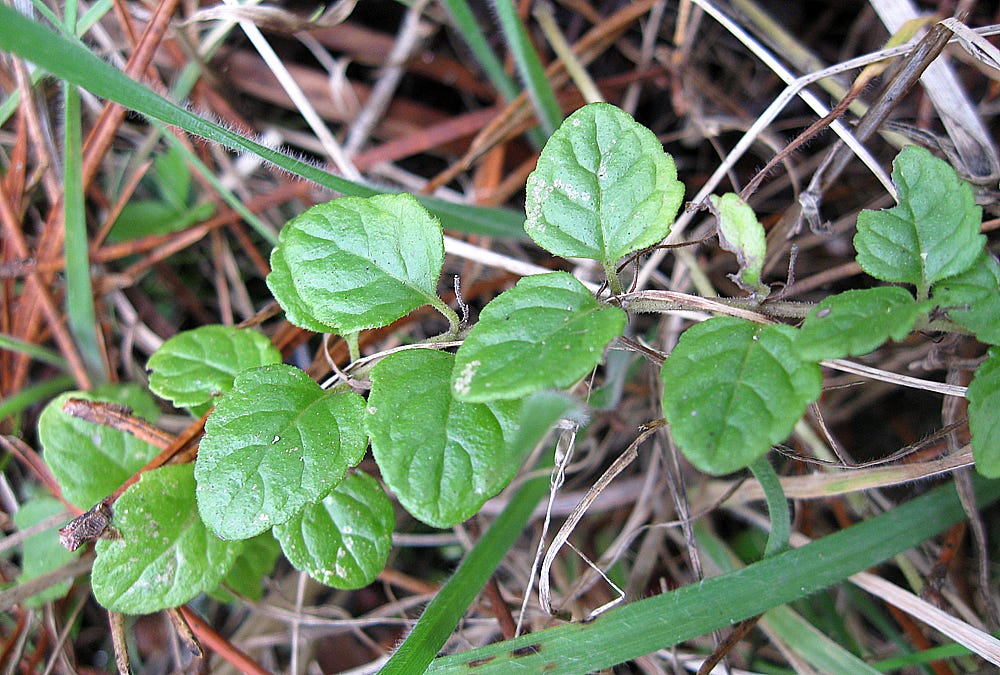
Some are borderline silly, like the yerba buena plants offered by Territorial Seed Company — this mystical, magical mint relative makes the absolute best mint tea in the world… but it’s a coastal California native, so I’d need to grow it in a pot and bring it in each winter. Maybe it’s worth it?
Others are products of experience. I know that you can absolutely have too many cherry tomatoes. I like homemade cucumber pickles, but not so much that I need four plants. I love my Hidatsa beans, but to grow enough takes a whole bed. Again, because beans rejuvenate soil, maybe it’s worth it?
I am sure you are all doing something similar. The real work here is to think about what is it you need, and what you want — ideally something not easily available at the local market. What is it that will nourish your soul? That’s what we work for.
But you need not decide on all this immediately. Right now, here in the dead of winter, keep paging through those catalogs, circling your desires, even if they are silly or difficult to realize or mildly unrealistic. It’s OK. Plenty of time.
Get cozy, pour some wine or tea or coffee, tuck into the couch, and imagine that life, surrounded by all the plants you desire, and smile. You can make it happen eventually — if you’re willing to keep tending your own patch of green long before it gives anything back.